Research at South Carolina
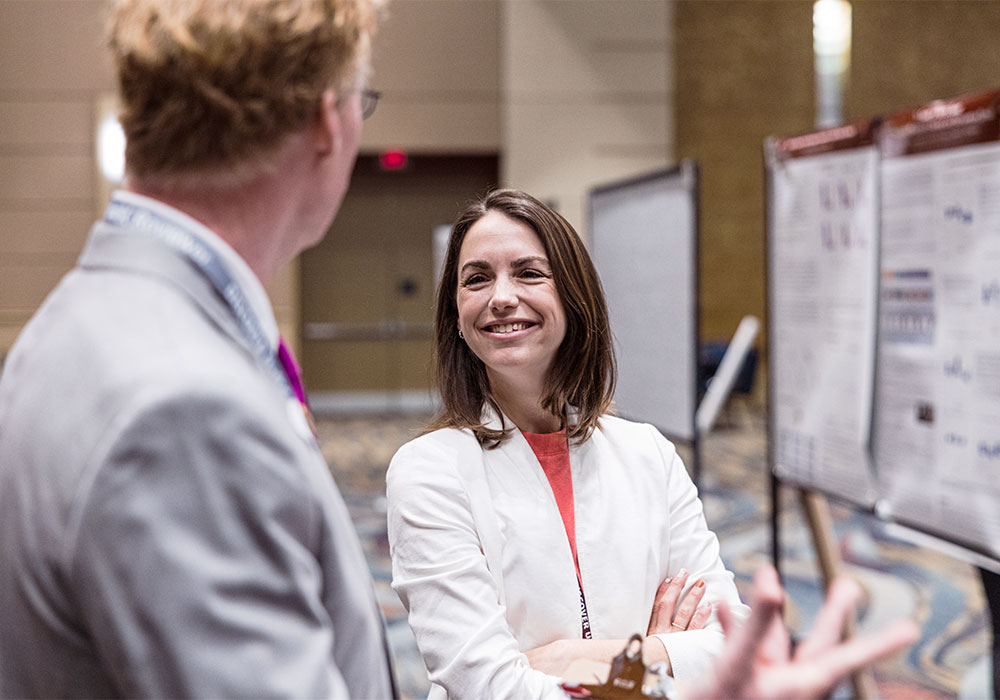
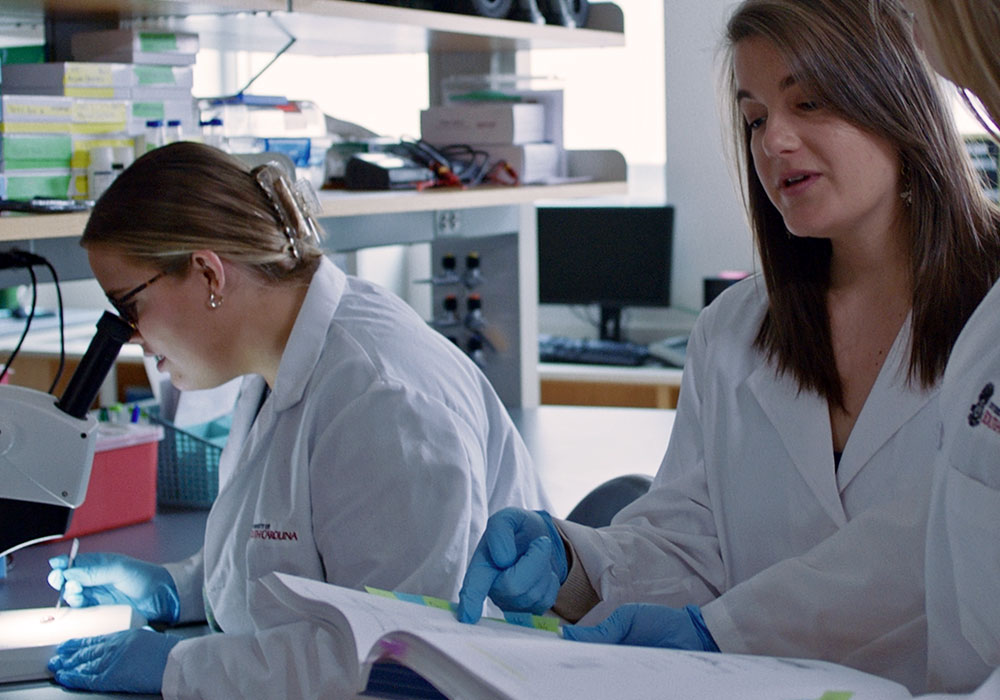
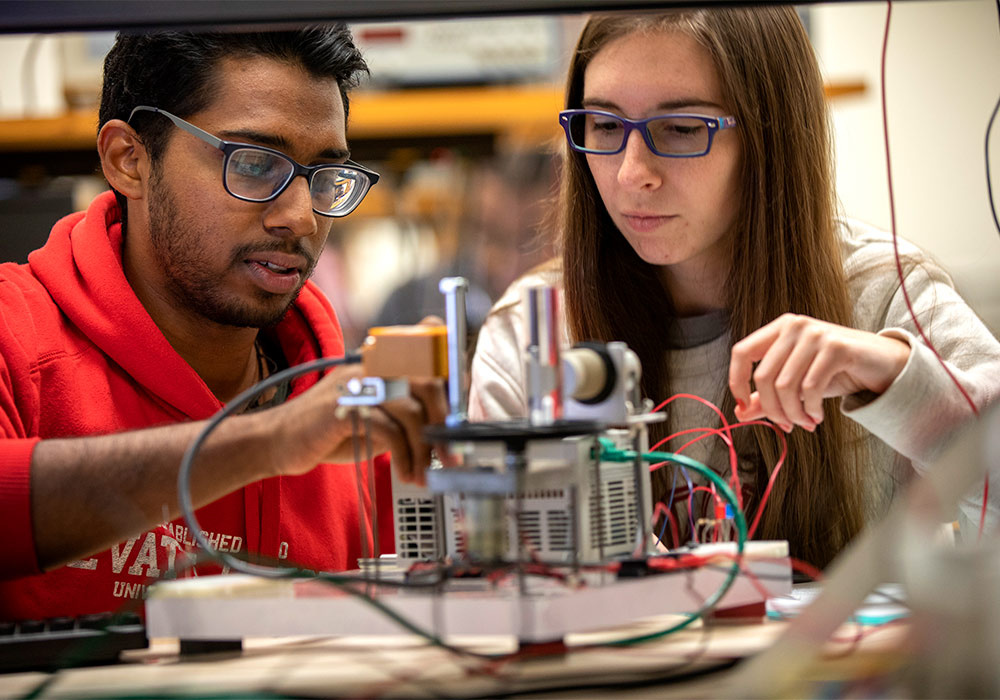
Research is a learning tool of the highest order at the University of South Carolina. Discovery allows us to illuminate history, contextualize the present, and help plan for what’s to come.
Scientific research, scholarship and creative activity abound throughout USC. That focused presence within nearly all colleges, departments and campuses of the state’s flagship university is one reason USC has earned the top research designation from the Carnegie Foundation.
-
Future focused.
USC is home to interdisciplinary expert research teams that are exploring solutions to five scientific and societal challenges facing South Carolina. Their discoveries can have wider implications — benefitting any state grappling with these significant scientific and societal challenges.
Research Institutes -

-

-

-

-

Research Spotlights
-
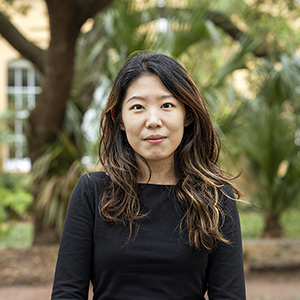
Sociologist Zhaodi Chen examines why some online stories face silence
Violence against women is a significant public health and human rights issue worldwide. Many have turned to social media to make their voices heard. Sociologist Zhaodi Chen studies how social media brings attention to the issue. Her research shows that despite the huge awareness raised by movements like #MeToo, many stories shared online still face relative silence.
-

Students from military families are often misunderstood in US public schools - a retired military officer and behavioral health expert explains what schools can do
Students from military families have specific experiences and needs that require support from their schools. Nikki R. Wooten, an associate professor of social work, writes for The Conversation about how some educators may not understand the experiences of military children and the challenges of military life.
-

100 years ago, Schrödinger's equation shed light on quantum physics
Austrian physicist Erwin Schrödinger developed the wave equation that allowed him to calculate the probability that a particle exhibited a certain property from its wave functions. Even though the human eye can’t parse what’s happening at the quantum scale, the way particles behave influences how you experience the world. Sophya Garashchuk, associate chair and professor of chemistry and biochemistry, writes for The Conversation about how scientists are leveraging Schrodinger's theory at the quantum level.
-
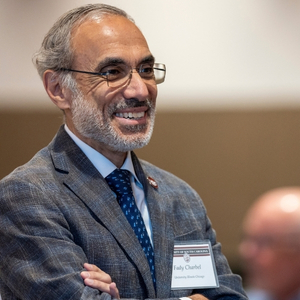
South Carolina faces a dementia crisis. USC is bringing neuroscience experts together to help.
To address the healthcare needs of South Carolinians, USC hosted its inaugural Brain Health Symposium, where national experts gathered to discuss research and medical innovations.
Let's build a better world.
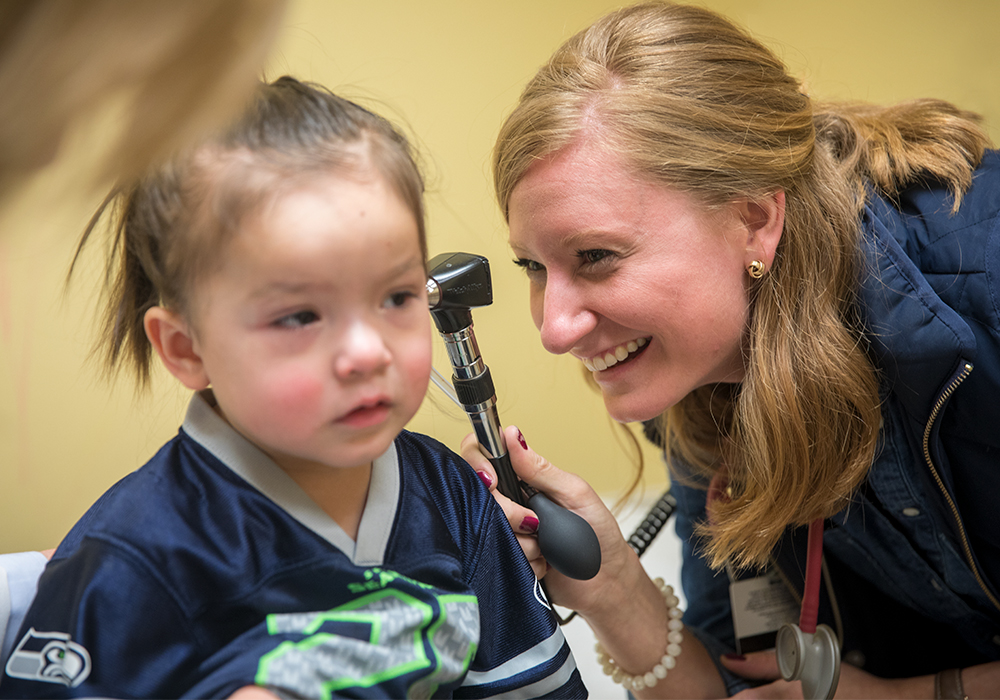
The resources of the University of South Carolina are poised to address local and global challenges. We work with public and private collaborators to provide our researchers with the resources and infrastructure they need to make a difference.
Partnership Opportunities